the DOOR lab Team
We are passionate about creating a more resilient
world through basic science
Opportunities
We can always make room for one more lab rat.
If you are inspired by our research and would like to connect with the team for a chat, please get in touch here. We’d love to hear from you.

Dani Dumitriu MD, PhD
PRINCIPAL INVESTIGATOR
Dr. Dumitriu is a general pediatrician and neuroscientist
Dani joined Columbia University as an Assistant Professor of Pediatrics (in Psychiatry) in November 2018, after completing her MD, PhD, pediatric residency, and a fellowship in environmental health at the Icahn School of Medicine at Mount Sinai. Her clinical work is dedicated to caring for newborns as a pediatric hospitalist in the Newborn Medicine Section at the Morgan Stanley Children's Hospital. Dr. Dumitriu's administrative roles include:
Inaugural Director of the Center for Early Relational Health
Chair of Columbia University’s COMBO Initiative
Co-Chair within the WiSE Initiative (Women in Sciences Empowerment), Psychiatry
Co-Funder of the Maternal Child Research Operations (MaCRO) Consortium at Columbia University
Dr. Dumitriu's favorite role is that of Principal Investigator of the DOOR Lab, investigating the neurocircuitry of resilience and mentoring future independent researchers and clinicians.
Our team
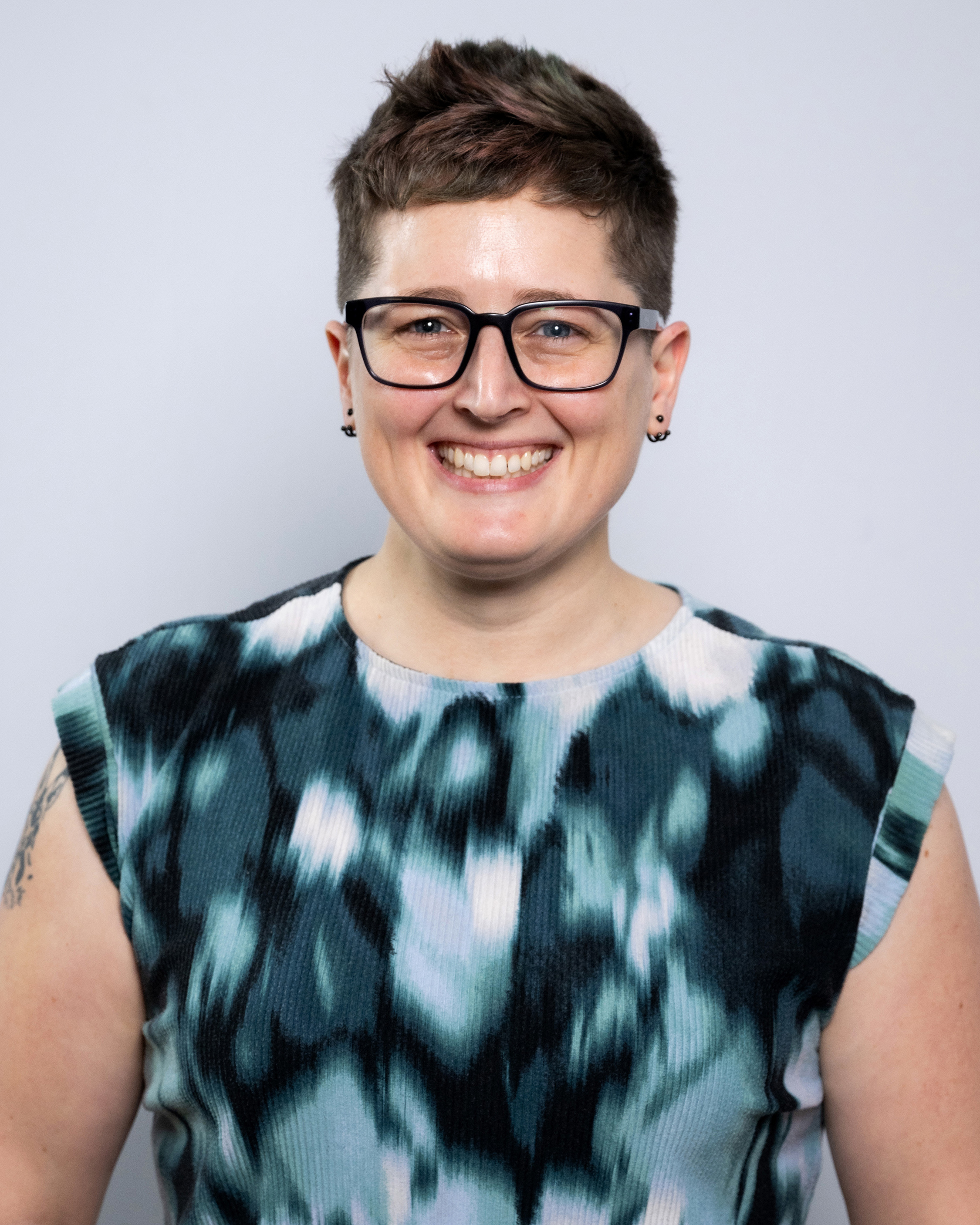
Christine Austin, PhD
ASSOCIATE PROFESSOR
2015 - Present
Dr. Austin leads the Tissue Mapping of Environmental Signatures (TiMES) laboratory which focuses on the development of novel biomarkers of stress, early relational health (ERH) and the environmental factors that can impact health and development. She obtained her PhD from the University of Technology, Sydney in Australia and has expertise in analytical chemistry and biomarker development, particularly in the use of spatial sampling techniques. By mapping the spatial distribution of chemicals in tissues, such as teeth, hair and placenta, important information about timing of exposure and co-localizations can be obtained that may shed light on how exposures can disrupt health and development.

Alessia Manganaro, PhD
ASSOCIATE RESEARCH SCIENTIST & LAB MANAGER
2018 - Present
Dr. Alessia Manganaro joined the lab in 2018 to support and manage the basic science component of Dr. Dumitriu research. She supervises and performs technical and administrative functions to assure the experimental design quality, lab members performance and process improvement of all the experiments. Her research interests focus on understanding how divergent behavioral responses to stress emerge in different individuals. Specifically, she investigates the brain code by monitoring online and offline neuronal activity with different cutting-edge techniques.
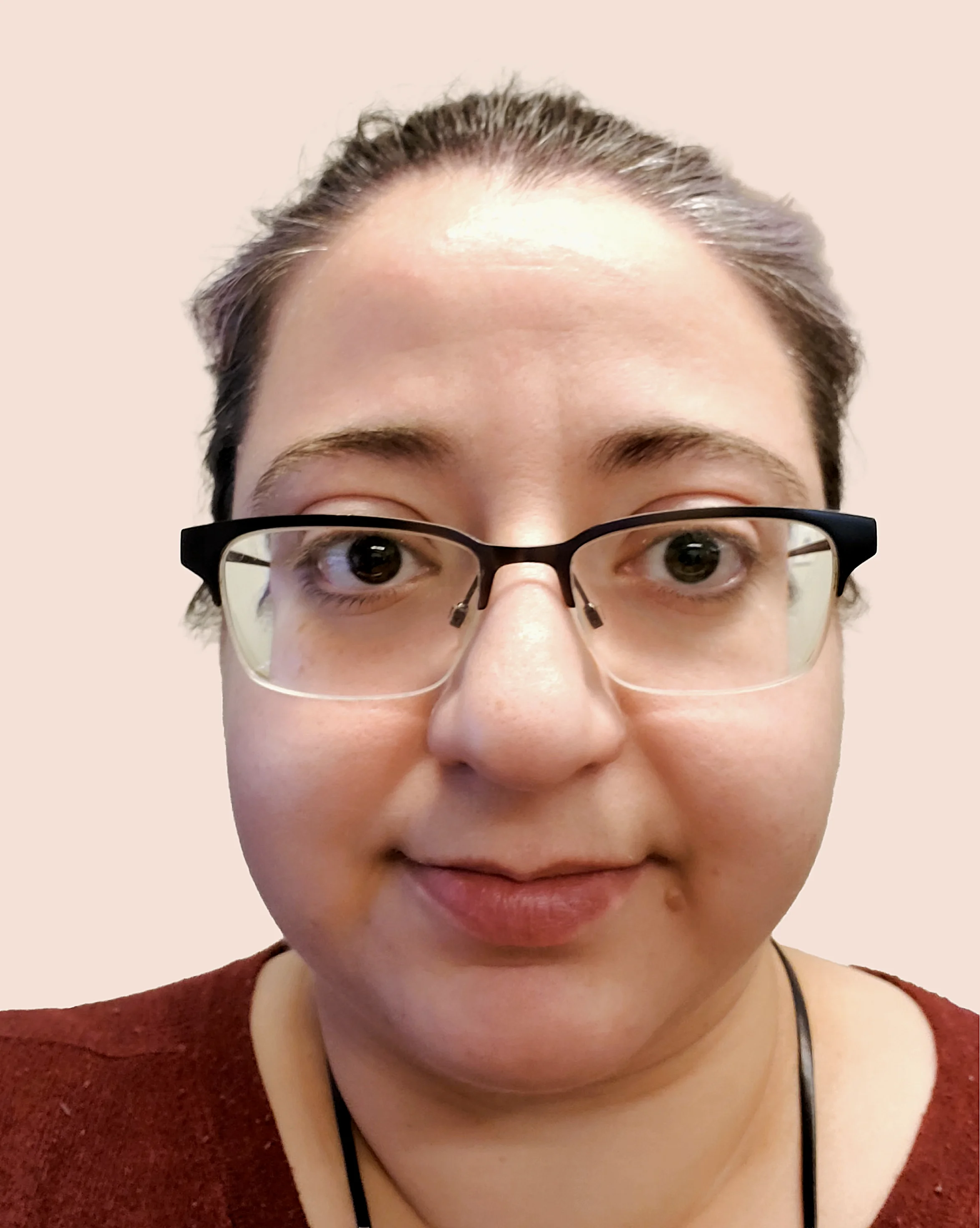
Yael Grossman, PhD
ASSOCIATE RESEARCH SCIENTIST
2025 – present
After completing her doctoral research and postdoctoral training in neuroscience at Duke University, Dr. Grossman joined the DOOR Lab with expertise in electrophysiology, cellular neuroscience, and animal behavior. For her doctoral thesis, she developed a novel paradigm for testing acute responses to stress in a rodent model of depression, leading to the identification of a previously unknown neural circuit involved in establishing depressive-like behavior in mice. Her findings may contribute to the development of preventive treatments for depression in humans. She also created several algorithms in MATLAB and Fiji to expand data collection capabilities and accelerate data analysis workflows.

Andréane Lavallée, PhD
ASSOCIATE research scientist
2018 – Present
After graduating from University of Montreal with a PhD in Nursing, Andréane received a fellowship award from the Canadian Institutes of Health Research (CIHR) to join the DOOR lab as a postdoctoral research fellow. Her work in the lab is focused on studying parent-child dyadic interactions through the lens of emotional connection. More specifically, Andreane’s work integrates diverse techniques, including machine learning, emerging dynamic analytic methods, and sequential coding applied to parent-infant face-to-face interaction videos to study dyadic parent-infant emotional connection at the mechanistic level.
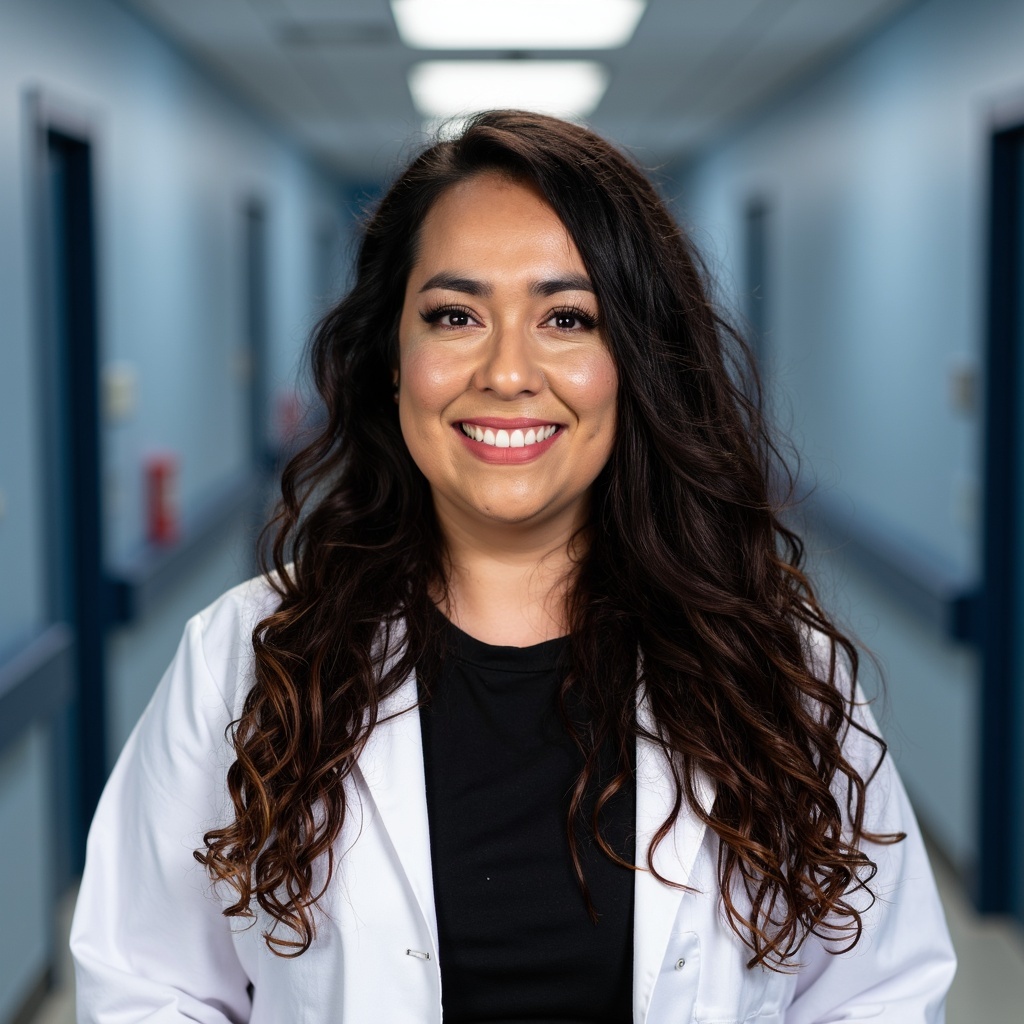
Perla Ontiveros-Ángel, PhD
Postdoctoral Research Scientist
2024 – Present
Dr. Ontiveros-Ángel is a developmental neuroscientist and bioengineer whose research centers on how early-life stress and maternal signals shape the maturation of socioemotional brain circuits. In the DOOR lab, she combines TRAP2-tagged neuronal ensemble mapping, mesoscale cFos imaging, and behavioral neuroscience to investigate how early experiences influence brain-wide stress responsivity and social behavior outcomes. She also investigates Chronic Social Defeat Stress (CSDS) in adult male and female mice, using whole-brain activation patterns to uncover neural signatures of resilience and vulnerability.
Dr. Ontiveros-Ángel is deeply committed to developing translational models of stress, plasticity, and risk that bridge basic neuroscience and clinical relevance.
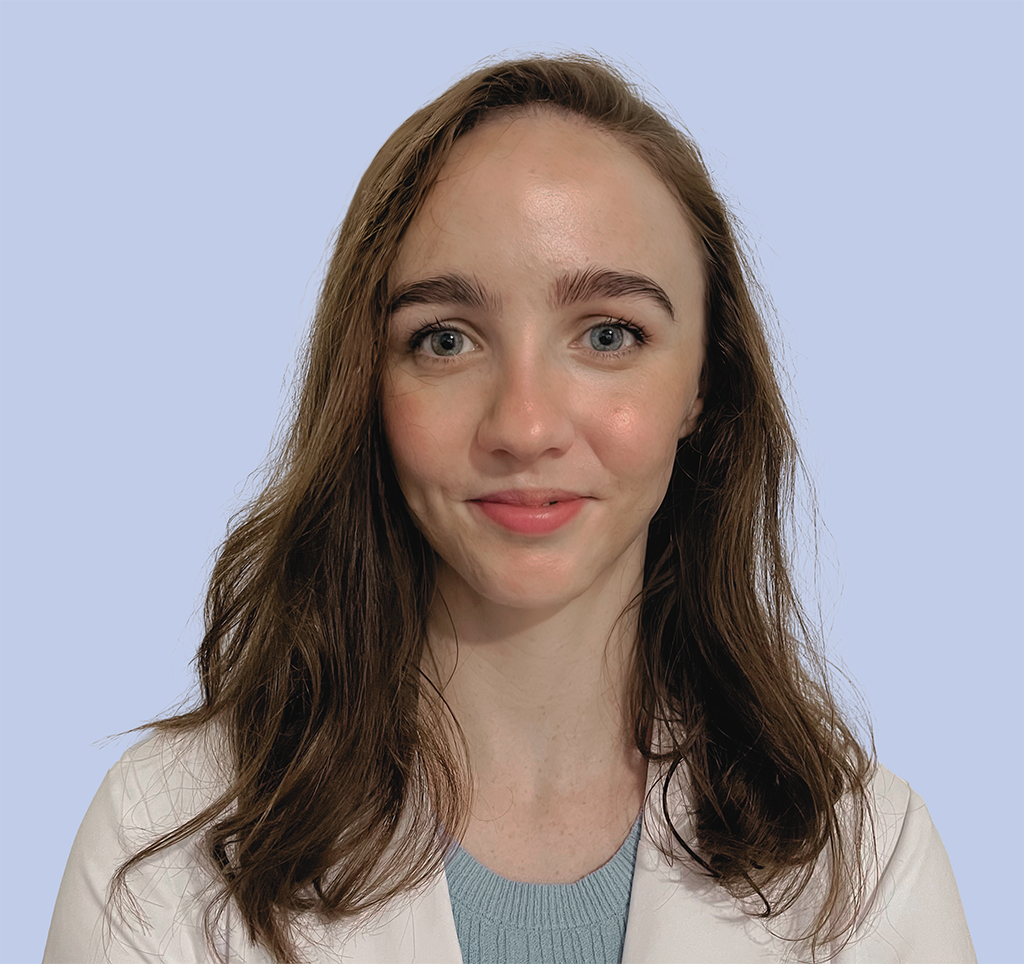
Erika Stewart, PhD
Postdoctoral Research Scientist
2025 – Present
Dr. Stewart obtained her PhD from Trinity College Dublin in 2024 where she conducted her research in the lab of Dr. Tomás Ryan. Using rodent models she explored memory engram plasticity across the lifespan and her investigation focused on understanding the neurobiology of infantile amnesia, which describes the inability to recall memories from early infancy and childhood. Erika’s work uncovered a role for specific neuro-immune interactions throughout development in mediating infantile amnesia. Now as a postdoc in the DOOR lab Erika is interested in studying how the interplay between positive and negative experiences across the lifespan influences resilience and susceptibility to stress.
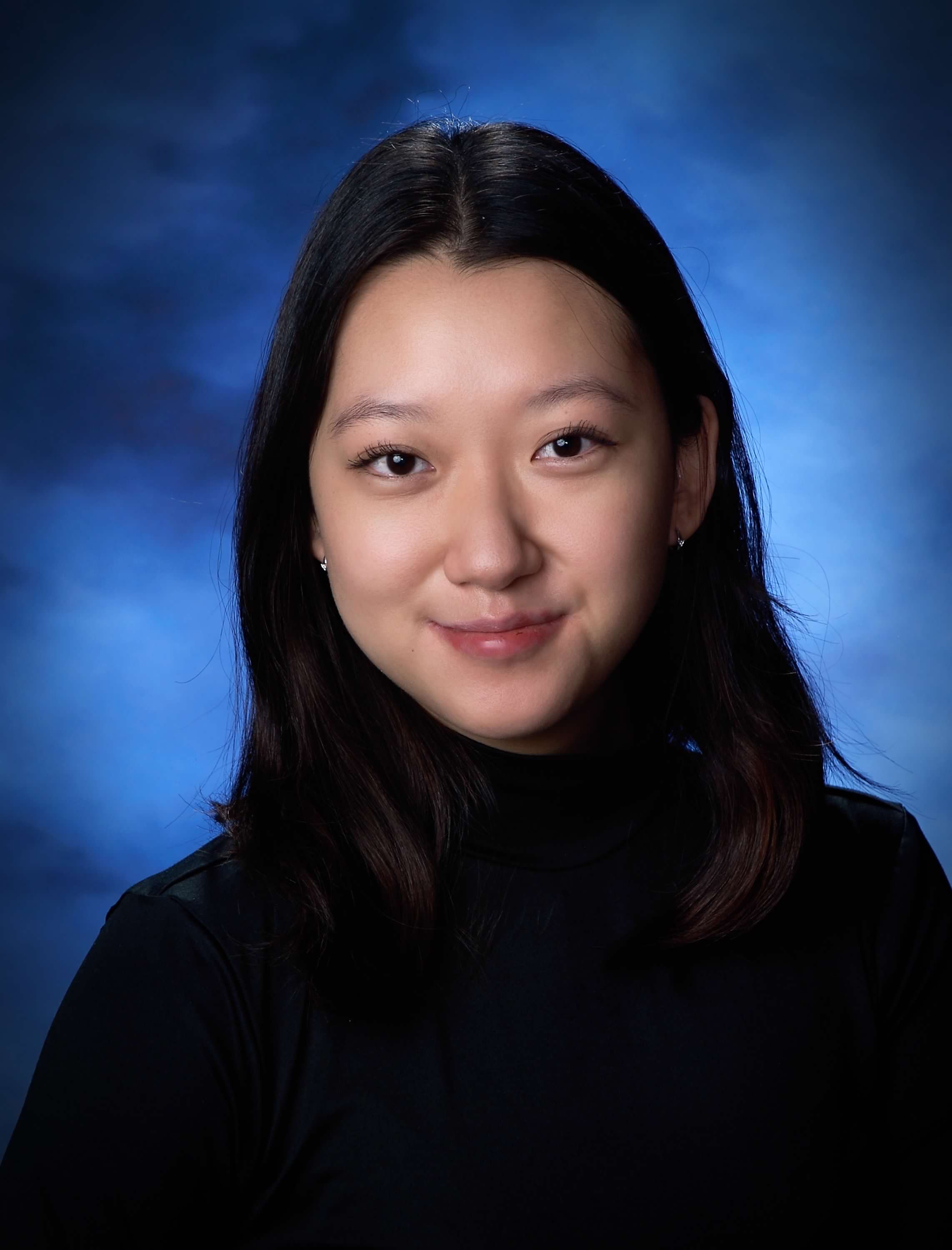
Sarah Trieu
lab technician
2024 – Present
Sarah Trieu is a lab technician in the DOOR Lab and TiMES Lab, where she works under the mentorship of Dr. Dani Dumitriu and Dr. Christine Austin to help integrate exposomics into the lab’s research on the neural mechanisms of stress and resilience in mice. Her research focuses on optimizing methods to detect biomarkers of inflammation and stress in teeth and hair, with the goal of aligning molecular signatures from human samples with findings from sex-inclusive mouse models of depression. In addition to her work at the bench, Sarah continues the development of MouseCircuits, an open-source platform that aims to foster discovery and collaboration across the neuroscience community. Sarah plans to pursue graduate studies in biomedical sciences, specializing in reproductive science and maternal-fetal health.
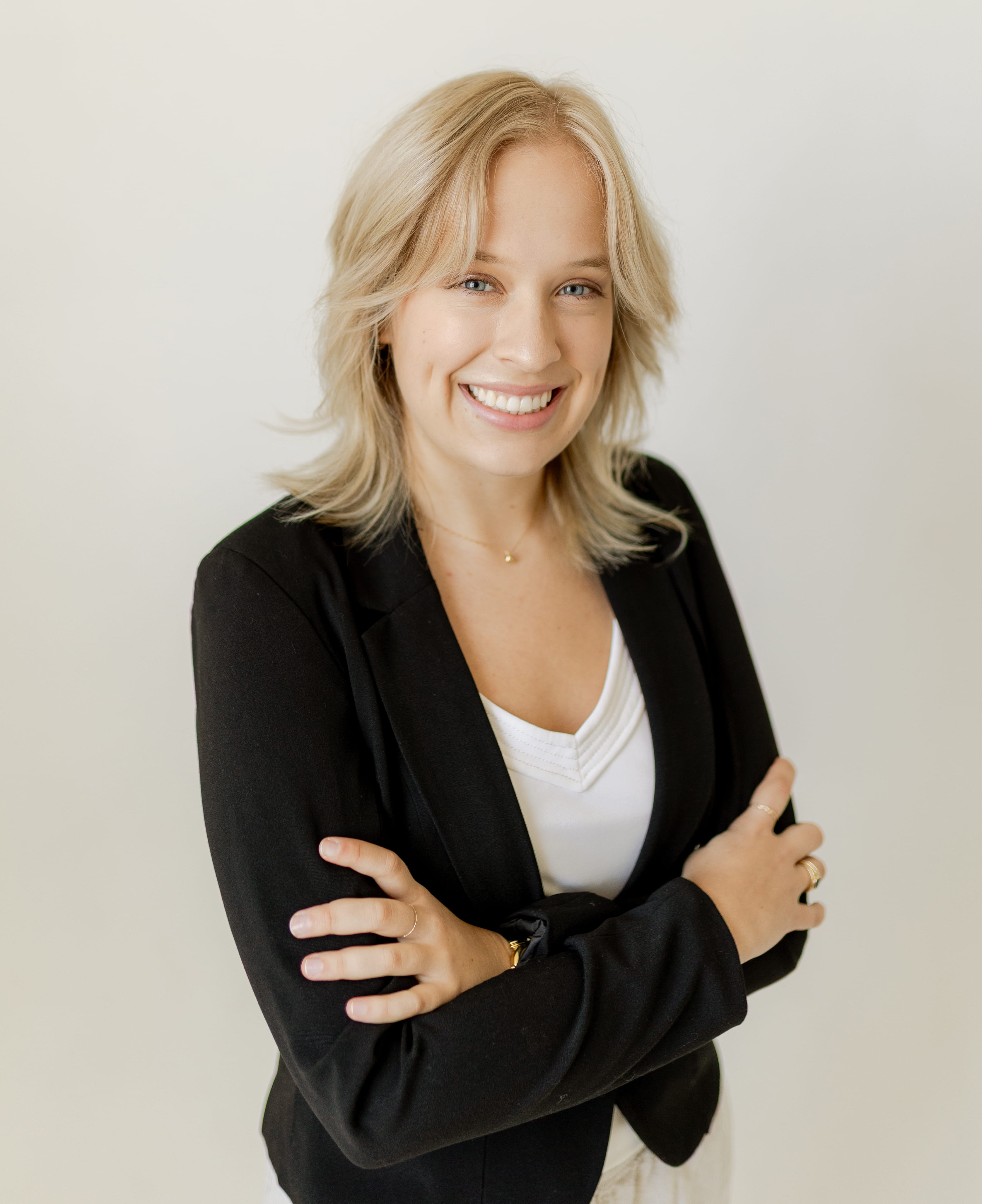
Ava Graff
UNDERGRADUATE research STUDENT
2024 – Present
Ava Graff is currently an undergrad at Columbia College (Class of 2026) studying Neuroscience and Behavior. Ava started at the DOOR lab as a research assistant in the Fall of 2024. Under the mentorship of Lillian Bryan, she has been able to complete UN3500 Independent Biological research projects where she developed behavioral ethograms for Tube Testing analysis in the BORIS software. Her current project involves performing histological whole brain staining and subsequent imaging and analysis to investigate activational differences in mice that have experienced a social reconfiguration. She hopes to compare activational patterns in circuits across sexes to investigate both behavioral differences, specifically in the context of social stress. Ava is pursuing a medical career and plans to serve underserved communities in rural areas.

Ziao Zhang
master’s Thesis Student
2025– Present
Ziao Zhang is a Master’s student in the Biotechnology program at Columbia University with a growing passion for translational neuroscience. He joined the DOOR Lab in the summer of 2025 to pursue his Master’s thesis under the mentorship of Postdoctoral Research Scientist Dr. Perla Ontiveros-Ángel. His research focuses on investigating the neural mechanisms underlying brain activity and psychiatric vulnerability, with the long-term goal of contributing to the development of novel interventions for mental health disorders. Ziao brings intellectual curiosity and analytical rigor to his work. Outside the lab, he enjoys exploring science fiction through books, films, and video games. In the future, he plans to pursue a PhD in Neuroscience.